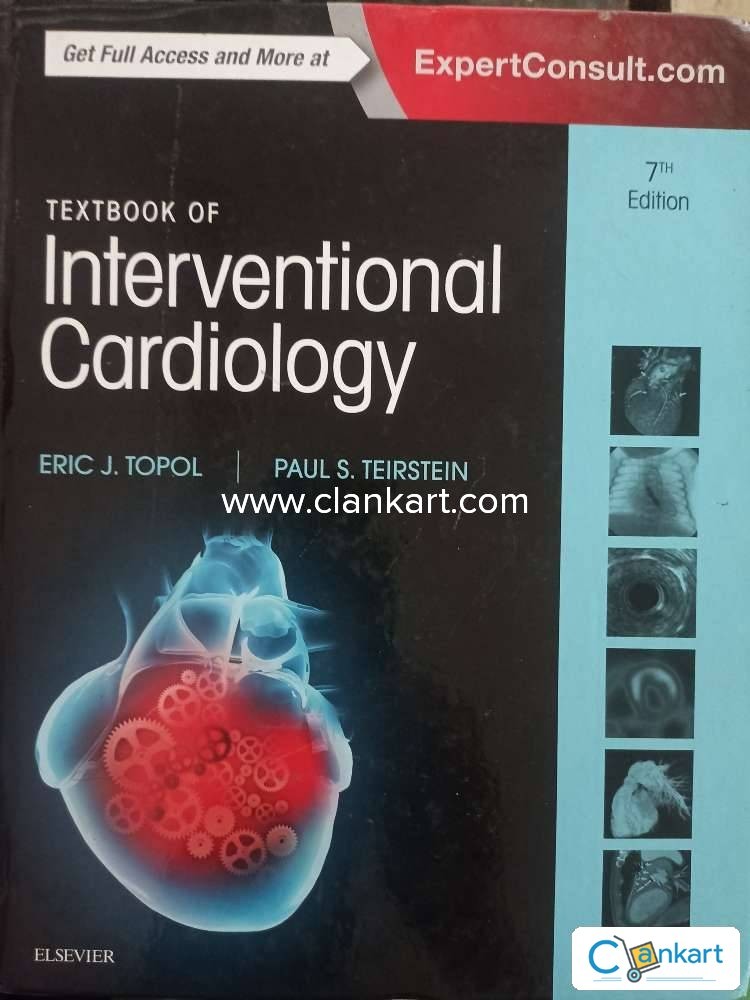
The intervention cardiology
₹5559
0 Customer Review
Author: Ramesh
Product Form: eBOOK
LANGUAGE: ENGLISH
BOOK CATEGORY: Cardiology
Hsn No: 5574
Interventional cardiology is a branch of cardiology that focuses on diagnosing and treating heart conditions using minimally invasive techniques. These procedures are performed using catheters (thin, flexible tubes) that are inserted into blood vessels, typically through the wrist or groin, to reach the heart. The goal is to treat various heart diseases, such as blockages in the arteries, without the need for open-heart surgery.
Here are some of the most common procedures in interventional cardiology:
1. Angioplasty (Percutaneous Coronary Intervention, PCI)
- Purpose: To open up blocked or narrowed coronary arteries that supply blood to the heart.
- Procedure: A balloon-tipped catheter is inserted into a narrowed artery. Once in place, the balloon is inflated to widen the artery and improve blood flow. Often, a stent (a small mesh tube) is inserted to keep the artery open.
2. Stenting
- Purpose: To keep an artery open after it has been widened during angioplasty.
- Procedure: A metal or drug-eluting stent is placed at the site of the blockage to prevent the artery from narrowing again (restenosis).
3. Atherectomy
- Purpose: To remove plaque buildup from the walls of an artery.
- Procedure: Special tools are used to cut away or grind down the plaque within the artery, improving blood flow.
4. Valvuloplasty
- Purpose: To treat stenosis (narrowing) of heart valves.
- Procedure: A balloon catheter is used to widen a narrowed heart valve, improving blood flow through the heart.
5. Transcatheter Aortic Valve Replacement (TAVR)
- Purpose: To replace a damaged aortic valve in patients who are at high risk for traditional open-heart surgery.
- Procedure: A new valve is inserted via a catheter and placed inside the old, malfunctioning valve without the need to remove it.
6. Percutaneous Mitral Valve Repair (MitraClip)
- Purpose: To repair a leaking mitral valve (mitral regurgitation) without open-heart surgery.
- Procedure: A small clip is attached to the mitral valve to help it close more completely, reducing the backward flow of blood.
7. Coronary Thrombectomy
- Purpose: To remove a blood clot (thrombus) from a coronary artery during a heart attack.
- Procedure: A catheter is used to either suck out the clot or break it up, restoring blood flow.
8. Fractional Flow Reserve (FFR)
- Purpose: To measure blood pressure differences across a coronary artery stenosis to assess its severity.
- Procedure: A special wire is passed through the artery to determine if a blockage is restricting blood flow.
9. Intravascular Ultrasound (IVUS) and Optical Coherence Tomography (OCT)
- Purpose: To provide detailed imaging of the inside of arteries.
- Procedure: These imaging techniques help doctors assess plaque buildup, stent placement, and overall artery health.
Advantages of Interventional Cardiology
- Minimally Invasive: Procedures are done without open-heart surgery, reducing recovery time and risks.
- Quick Recovery: Patients can often go home the same day or the next day.
- Effective: Immediate improvement in symptoms like chest pain (angina) and shortness of breath.
Conditions Treated by Interventional Cardiology
- Coronary artery disease (CAD)
- Heart valve diseases (aortic and mitral valve issues)
- Heart attacks (myocardial infarctions)
- Peripheral artery disease (PAD)
- Congenital heart defects (certain types)
About the Author

No reviews available for this product.